

RSV symptoms in babies, toddlers, and adults, plus rapid RSV testing and vaccine guidance. Walk in to MedCare in Wyandotte (24/7), Redford, or Eastpointe.

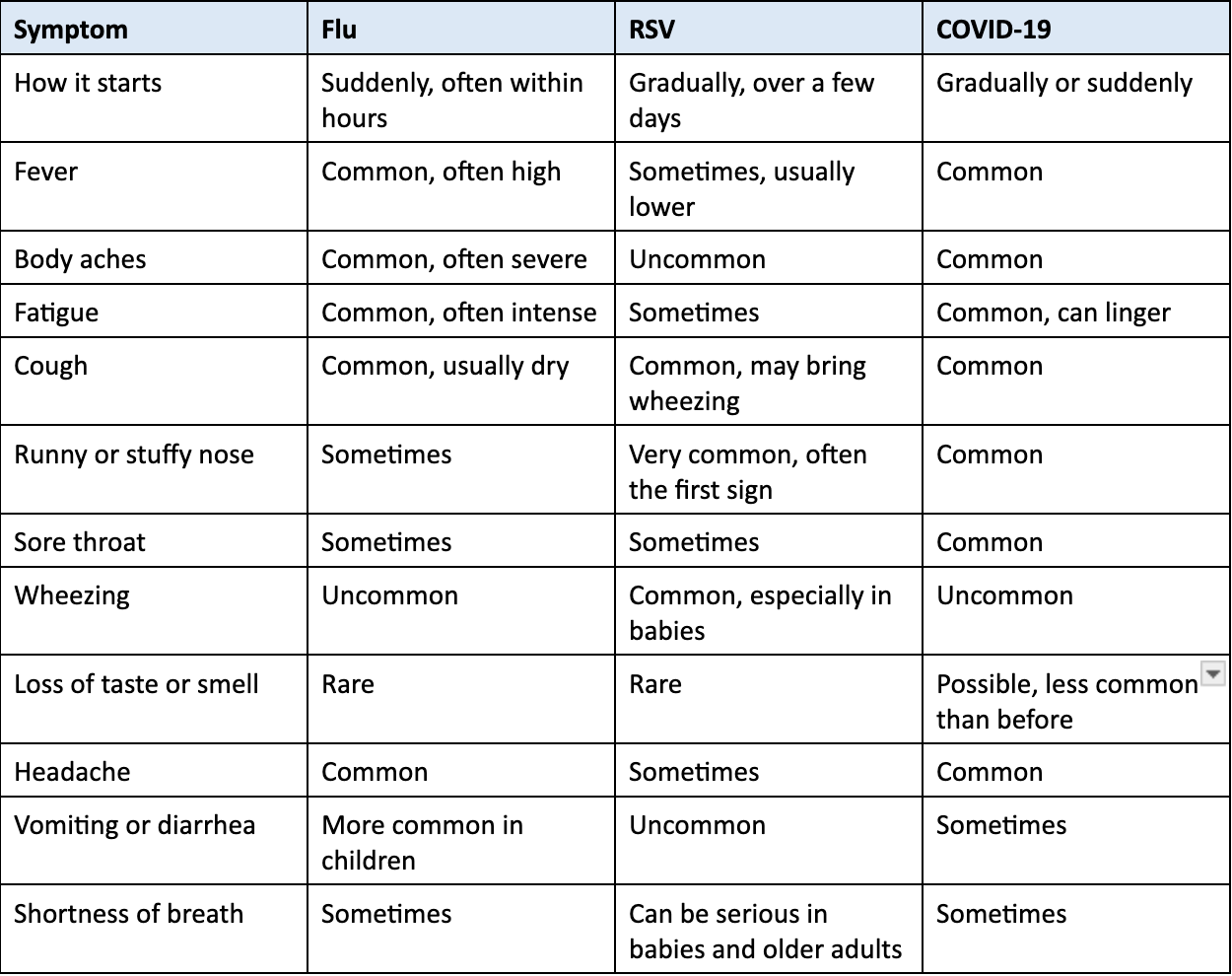
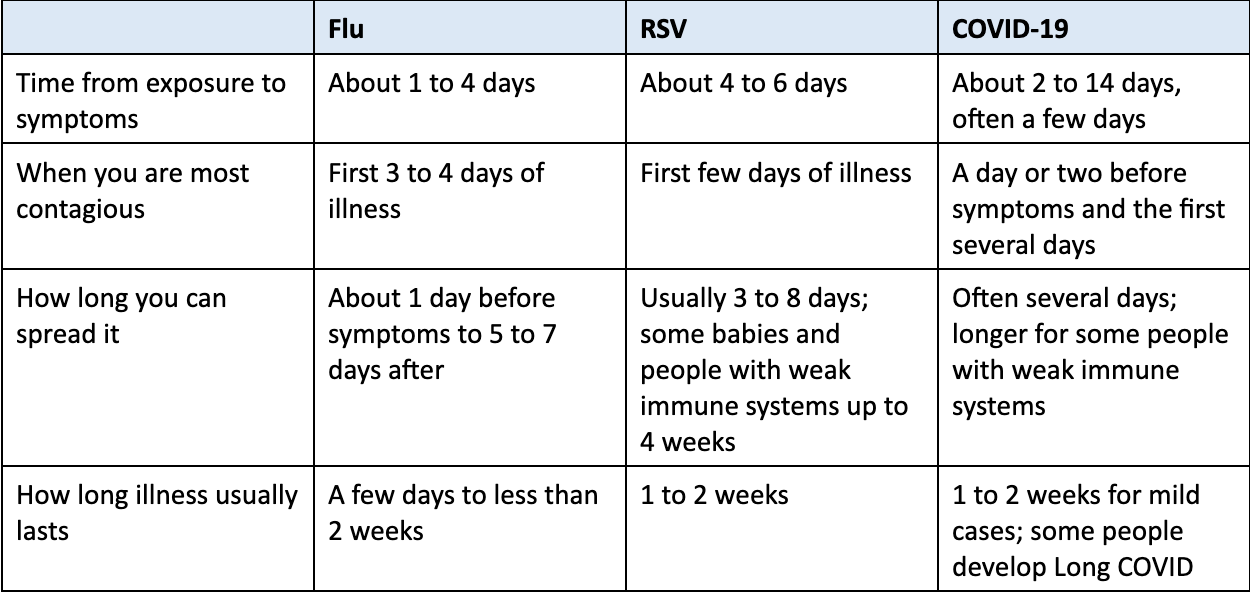
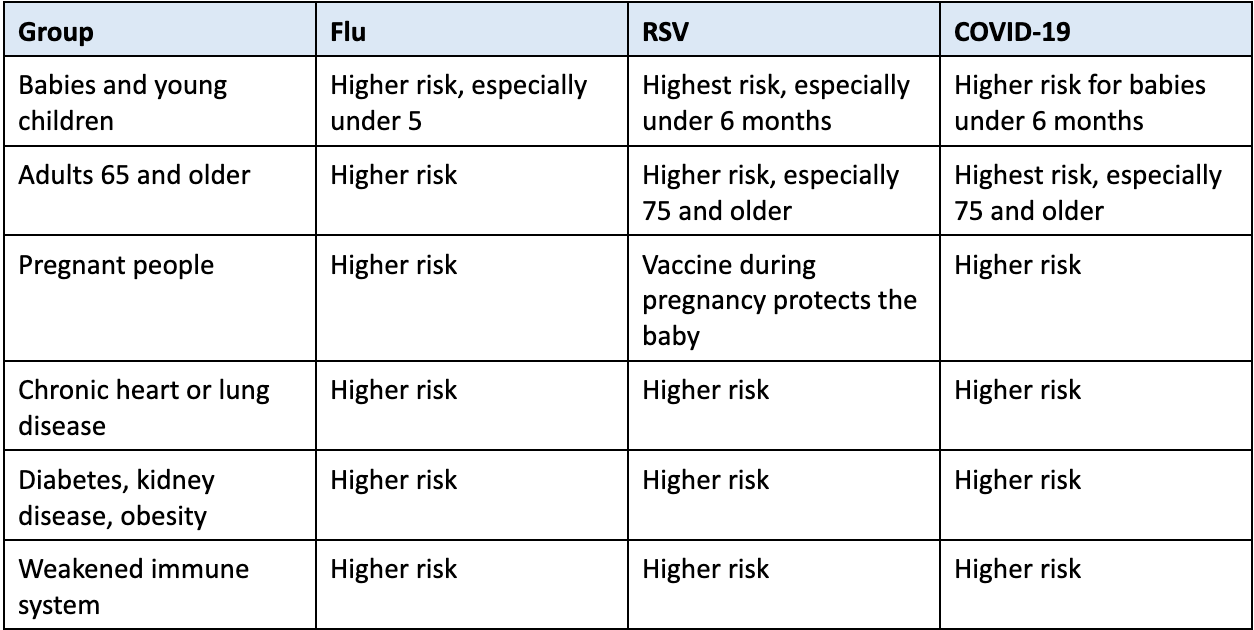
Quick answer: The flu is a contagious respiratory illness caused by influenza viruses. It usually starts suddenly with fever, chills, body aches, cough, and exhaustion. A rapid flu test at MedCare Urgent Care can confirm the flu in minutes, and if you test positive early, a provider can decide whether an antiviral medication like oseltamivir (Tamiflu) makes sense for you. The CDC recommends a flu shot every year for nearly everyone 6 months and older, ideally by the end of October. You can walk in for a flu test or flu shot at our Wyandotte (open 24/7), 7 Mile, Redford, and Eastpointe locations. What Is the Flu? Influenza, or the flu, is a virus that infects your nose, throat, and lungs. It is not the same as a cold, and it is not a stomach bug, even though people often call vomiting illnesses the stomach flu. There are two main types that spread in people each year: influenza A and influenza B. Influenza A viruses change often, which is one reason a new flu vaccine is made every year. Influenza B changes more slowly but can still make people very sick, especially children. Most healthy adults recover from the flu in a few days to under two weeks. For some people, though, the flu leads to pneumonia, hospital stays, or worsening of long-term conditions like asthma, diabetes, and heart disease. Flu Symptoms: How to Tell It Might Be the Flu The biggest clue with the flu is how fast it hits. Many people can tell you the hour they started feeling sick. A cold tends to creep in over a day or two. The flu often feels like being flattened all at once. Common flu symptoms include: Fever or feeling feverish, with chills Muscle aches and body aches Headache Deep tiredness that makes it hard to get out of bed Dry cough Sore throat Runny or stuffy nose Vomiting or diarrhea, which is more common in children than adults Not everyone with the flu runs a fever. Older adults and people with weaker immune systems may have milder symptoms at first and still get seriously ill. How soon do flu symptoms start? Symptoms usually show up about 1 to 4 days after you are exposed to the virus. That short window is part of why the flu can move through a household, classroom, or workplace so quickly. How long is the flu contagious? People with the flu are most contagious in the first 3 to 4 days after their illness starts. Many adults can spread it starting about a day before symptoms appear and for up to 5 to 7 days after. Young children and people with weakened immune systems may be contagious for longer. Flu, Cold, COVID, or RSV? Why Testing Matters Flu, COVID-19, and RSV can look almost the same in the first few days. All three can cause fever, cough, congestion, and fatigue. You cannot reliably tell them apart by symptoms alone, and that matters because the treatment options are different for each one. Flu antivirals work best when they are started within 2 days of the first symptoms. If you wait a week to see whether you get better, you may miss the window where treatment helps most. For a side-by-side look at all three illnesses, read our full guide, Flu vs. RSV vs. COVID-19: How to Tell the Difference. Rapid Flu Testing at MedCare Urgent Care MedCare Urgent Care offers rapid testing for influenza A and B at our walk-in clinics. We also test for COVID-19 and RSV, so if you are not sure what you have, your provider can check for more than one virus during the same visit. Here is what a typical flu testing visit looks like: Walk in or check in. No appointment is needed. Our Wyandotte location is open 24 hours a day, 7 days a week. Quick symptom check. A provider asks when your symptoms started, checks your temperature, and listens to your lungs. Nasal swab. The swab takes just a few seconds. It can feel strange or make your eyes water, but it is over quickly. Results. Rapid test results are typically ready within about 15 minutes, so you can leave with a plan the same day. Treatment plan. If you test positive, your provider will talk with you about antivirals, symptom relief, and when you can return to work or school. Prescriptions can be filled on-site. Who should get a flu test? A flu test is a good idea if: Your symptoms came on suddenly with fever and body aches You are in a higher-risk group, such as adults 65 and older, pregnant people, young children, or people with asthma, diabetes, heart disease, or a weakened immune system You live with or care for someone who is high risk, like a newborn or an elderly parent Your job or school needs a documented diagnosis You want to know whether you have the flu, COVID-19, or RSV so you can make the right decisions about treatment and isolation Flu Treatment: What Actually Helps Antiviral medications Flu antivirals are prescription medicines that fight the influenza virus itself. Common options include oseltamivir (Tamiflu, a pill or liquid) and baloxavir (Xofluza, a single dose). According to the CDC, antivirals work best when started within two days of getting sick and can shorten the illness by about a day. They can also lower the chance of serious complications in people at higher risk. Most healthy people with a mild case of the flu do not need antivirals. The CDC does recommend early treatment for people at higher risk of complications and for anyone who is very sick. Your MedCare provider can help you decide. Antibiotics do not treat the flu The flu is a virus, and antibiotics only work on bacteria. Taking antibiotics you do not need will not help you recover faster and can cause side effects. If the flu leads to a bacterial infection, like some ear infections or pneumonia, your provider may then prescribe an antibiotic. Home care that helps you recover Rest as much as you can Drink plenty of fluids, like water, broth, and electrolyte drinks Use over-the-counter fever reducers and pain relievers as directed on the label Run a humidifier to ease a dry cough and sore throat Stay home until you have gone at least 24 hours without a fever (without fever medicine) and your symptoms are getting better overall If you are struggling to keep fluids down, MedCare Urgent Care also offers IV hydration therapy , which can help when illness leaves you dehydrated. Flu Shots at MedCare: Walk-In Vaccines for the Whole Family The best way to lower your chances of getting the flu, and of getting seriously sick from it, is a yearly flu vaccine. Who should get a flu shot? The CDC recommends a flu vaccine every season for everyone 6 months and older, with rare exceptions. It is especially important for: Adults 65 and older Pregnant people Young children People with chronic conditions like asthma, COPD, diabetes, or heart disease Caregivers and household members of babies and high-risk family members When should you get it? The CDC recommends getting your flu shot in September or October. It takes about two weeks after vaccination for your body to build protection, so getting it before flu starts spreading widely gives you the best head start. If you miss that window, getting vaccinated later in the season is still worthwhile, since flu often keeps spreading well into spring. What is in this season's flu vaccine? The flu vaccine is updated every year to match the strains experts expect to spread. For the 2026-2027 season, all flu vaccines in the U.S. are trivalent, meaning they protect against three flu strains: two influenza A viruses and one influenza B virus. For adults 65 and older, the CDC prefers one of three types: high-dose, adjuvanted, or recombinant flu vaccines. These are designed to create a stronger immune response in older adults, whose immune systems respond less strongly to standard doses. MedCare offers a high-dose flu shot for patients 65 and older. Does the flu shot give you the flu? No. Flu shots are made with inactivated virus or a single viral protein, so they cannot cause the flu. Some people get a sore arm, a low-grade fever, or feel tired for a day or so. That is your immune system responding, and it passes quickly. Does insurance cover flu shots? Most major insurance plans, including Medicare, cover the seasonal flu shot, often with no copay. MedCare works with Blue Cross Blue Shield, Aetna, Cigna, United Healthcare, Medicaid, and other plans, and we offer self-pay rates for patients without insurance. When to Go to the ER Instead Urgent care is the right place for most flu symptoms. Go to the emergency room or call 911 if you or your child has: Trouble breathing or shortness of breath Chest pain or ongoing pressure in the chest or belly Bluish lips or face Confusion, severe dizziness, or trouble waking up Seizures Signs of dehydration, like no urination for 8 hours in a child A fever above 104°F that does not come down with medicine Symptoms that improve and then come back worse MedCare Urgent Care Locations for Flu Testing and Flu Shots Walk-ins are always welcome. Choose the location closest to you. MedCare Urgent Care Wyandotte — 1400 Eureka Rd, Wyandotte, MI 48192 | Open 24/7 | (734) 888-4454 MedCare Urgent Care 7 Mile — 26611 7 Mile, Redford Township, MI 48240 | Mon–Fri 9am–9pm, Sat–Sun 10am–6pm | (313) 300-2549 MedCare Urgent Care Redford — 23405 Plymouth Rd, Redford Township, MI 48239 | Mon–Fri 9am–8pm, Sat–Sun 10am–6pm | (313) 694-3101 MedCare Urgent Care Eastpointe — 18621 E 9 Mile Rd, Eastpointe, MI 48021 | Mon–Fri 9am–9pm, Sat–Sun 10am–6pm | (586) 944-0099 The Heights Urgent Care (Dearborn Heights) — 3925 S Telegraph Rd, Dearborn Heights, MI 48125 | Open 24/7 | (313) 768-5446 Flu FAQs: Where can I get a rapid flu test near me? MedCare Urgent Care offers walk-in rapid flu testing in Wyandotte, Redford Township (two locations), and Eastpointe. Our Wyandotte clinic is open 24/7. Results are typically ready in about 15 minutes. How accurate is a rapid flu test? A positive rapid flu test is very reliable. A negative result is less certain, especially early in the illness, so your provider will also look at your symptoms and exposure. If needed, they may recommend additional testing. How long does the flu last? Most people feel better within a few days to two weeks. Tiredness and cough can linger longer than the fever and aches. Is it too late to get a flu shot? Usually not. The CDC recommends getting vaccinated by the end of October, but getting a flu shot later in the season still offers protection while the flu is spreading. Can I get a flu shot and a COVID vaccine at the same time? Yes. The CDC says it is safe to get a flu vaccine and a COVID-19 vaccine during the same visit. Ask your provider which vaccines are right for you. Do I need Tamiflu for the flu? Not always. Healthy adults with mild symptoms often recover without it. Antivirals are recommended for people at higher risk of complications and for people who are very sick. They work best when started within 48 hours of your first symptoms. When can I go back to work or school after the flu? You can return once you have gone at least 24 hours without a fever (without fever-reducing medicine) and your symptoms are improving overall. For the next few days, wash your hands often and consider wearing a mask around others. Know What You Have, Then Get Better The flu hits fast, and the sooner you know what you are dealing with, the sooner you can start feeling better. Walk in to any MedCare Urgent Care location in Wyandotte, Redford, or Eastpointe for a rapid flu test, same-day treatment, or your seasonal flu shot. No appointment needed. MedCare Urgent Care provides on-site diagnostics and lab services in Wyandotte, Redford, Eastpointe, and Dearborn Heights, Michigan. Walk in anytime — no appointment needed. This article is for general education and is not a substitute for medical advice. If you have questions about your symptoms or vaccines, talk with a MedCare provider or your primary care doctor.

Walk-in rapid COVID-19 testing, same-day results, treatment options, and COVID vaccine guidance at MedCare in Wyandotte (24/7), Redford, Eastpointe, & Deaborn Heights

MedCare Urgent Care offers on-site blood work, STD testing, urinalysis, EKGs, and rapid testing at all Metro Detroit locations including Wyandotte, Redford, Eastpointe, and Dearborn Heights.

Fractures, sprains, lacerations, burns, and sports injuries treated at MedCare Urgent Care across Wyandotte, Redford, Eastpointe, and Dearborn Heights. Digital X-rays and stitching on-site. Walk in now.

Feeling sick in Wyandotte, Redford, Eastpointe, or Dearborn Heights? MedCare Urgent Care offers walk-in treatment for colds, flu, strep throat, infections, and more — no appointment needed

Urgent care or ER? Learn which conditions need the ER vs. faster, more affordable treatment at MedCare Urgent Care's 5 Metro Detroit locations

Get fast medical grade IV drip therapy at MedCare Urgent Care in Michigan. Walk in today for rapid hydration Myers Cocktail immune support and hangover relief.

Get fast walk in DOT physicals sports physicals and pre employment exams at MedCare Urgent Care in Michigan. Certified examiners available seven days a week.

Protect your family's health with walk-in vaccinations at MedCare Urgent Care. From flu shots to routine immunizations, we provide fast, compassionate care.